
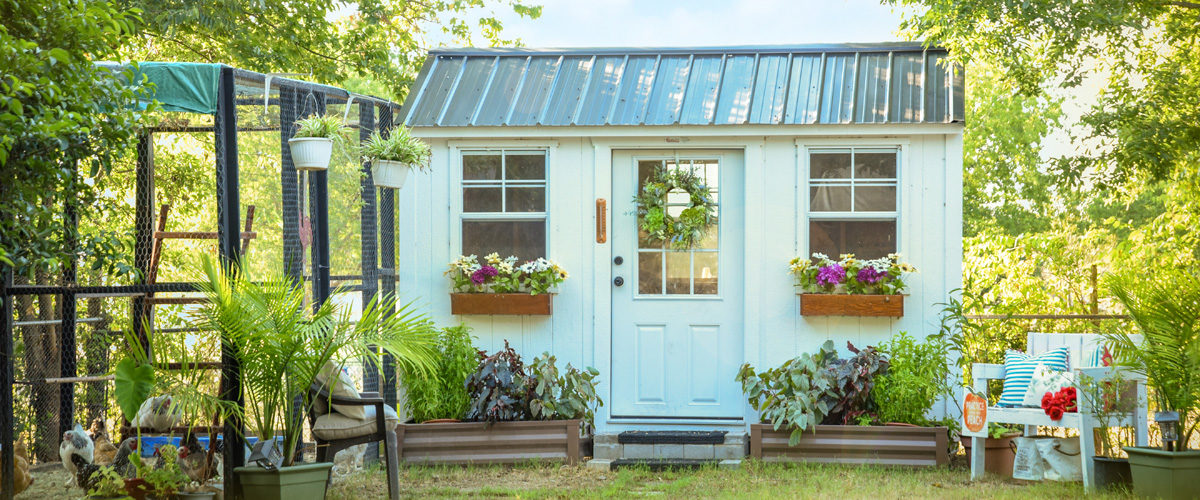
The Garden Guardian: Exploring the Benefits of Installing a Fence Around Your Garden
Picture this: a picturesque garden filled with blooming flowers, flourishing veggies, and happy little butterflies fluttering around. Now, imagine this garden is safely tucked behind a sturdy fence, shielded from pesky critters and prying eyes. Installing a fence around your garden isn’t just about adding a touch of charm; it’s a garden guardian that offers a plethora of benefits. Let’s dive into the wonderful world of garden fencing and explore why it’s a must-have addition to your green oasis.
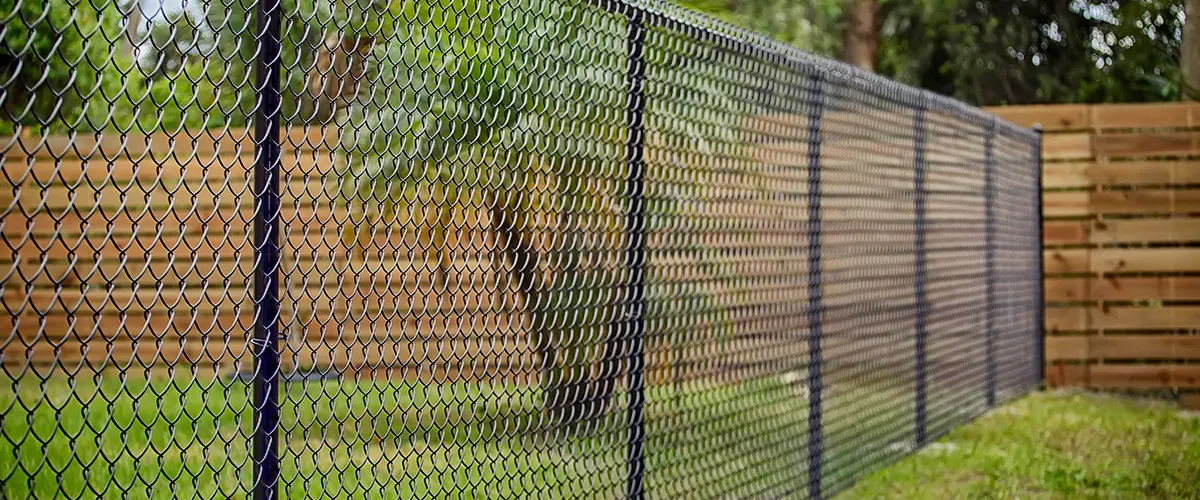
Section 1: Protection from Unwanted Guests
A fence around your garden is like a loyal knight guarding the castle. It creates a protective barrier that keeps unwelcome visitors at bay. Those curious rabbits eyeing your tender lettuce? No chance! Your fence will discourage them from nibbling on your precious greens. Moreover, it acts as a fortress against marauding deer, mischievous raccoons, and other garden pests. With a sturdy fence in place, your garden remains an exclusive retreat for your beloved plants, undisturbed by furry intruders.
Section 2: Enhancing Privacy and Security
Who doesn’t love a little privacy in their garden sanctuary? A fence not only shields your garden from wildlife but also provides a sense of seclusion from prying eyes. Whether you’re enjoying a cup of tea on your patio or playing with the kids, a garden fence offers that extra peace of mind.
Moreover, a fence can add an extra layer of security to your property. It serves as a deterrent for potential intruders, making it more challenging for them … Read More
Elevate Your Sanctuary: The Transformative Power of a Home and Garden
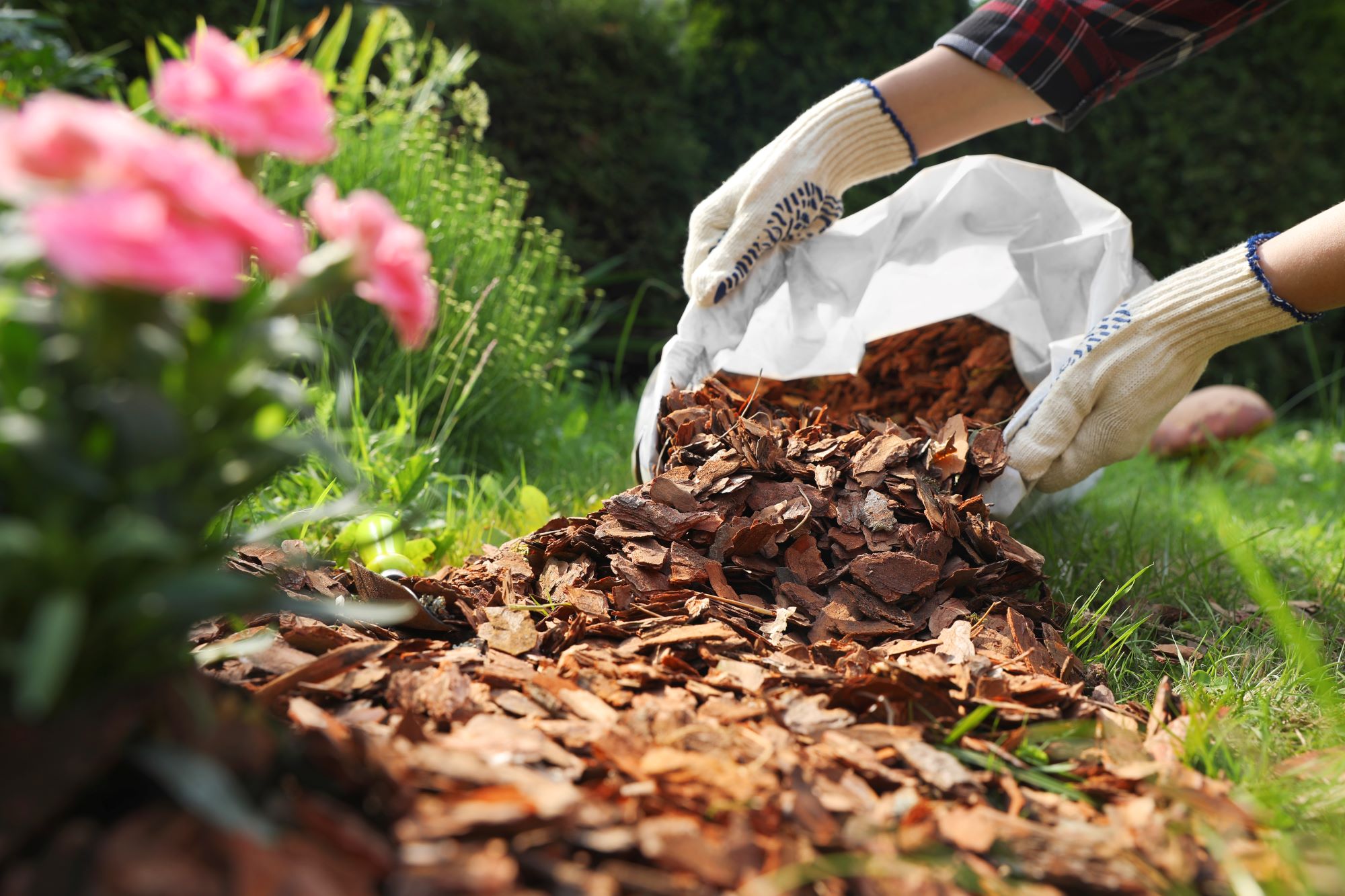
In our fast-paced world, the concept of a sanctuary has never been more vital. It’s more than just a house; it’s a living, breathing space that nurtures our well-being, a personal haven where we can disconnect from the chaos and reconnect with ourselves. This sanctuary is a holistic entity, an elegant dance between the comfort of our indoor spaces and the wild, curated beauty of our gardens. They are two halves of a whole, each one enriching the other. The art of cultivating this environment is an investment in our own peace and happiness, and it often begins from the ground up, with foundational choices that marry beauty with profound benefits—like the thoughtful application of mini pine bark nuggets.
The Garden: An Outdoor Room That Breathes Life In
Think of your garden not as a separate, external area, but as the most vital room of your home. It’s a space without a ceiling, where the decor changes with the seasons and the air is filled with the subtle perfume of earth and blossoms. This seamless transition from indoors to outdoors is the heart of biophilic design, a philosophy built on our innate human need to connect with nature. When we blur these lines, our living space expands, our stress recedes, and our senses awaken.
A thriving garden invites us to slow down. It’s the quiet satisfaction of watching a bee drift from flower to flower, the gentle rustle of leaves in the breeze, and the feeling of cool earth … Read More
How Do You Fix a Slow Bathroom Drain?
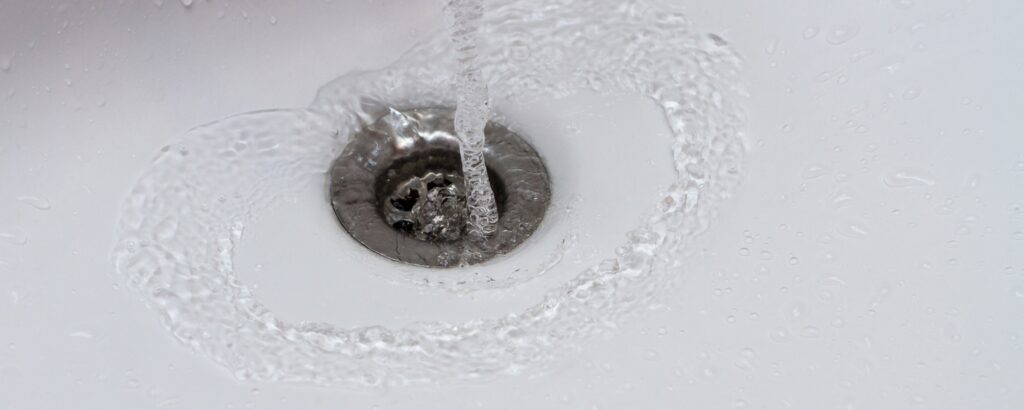
You’ve seen it get worse over time. It may take a friend or other circumstances before you decide to fix your slow-draining sink.

What Causes a Slow Drain?
The most common reason for a slow drain is a clog. This can occur in the bathroom or kitchen sink due to a wide variety of things.
Causes of Clogged Drains
- Soap scum
- Hair
- Dirt
- Sand
- Wipes that are not flushable
- Excessive toilet paper
- Tampons
- Grease
Restricted food items, such as eggshells and coffee grounds, can be used to make celery, eggshells, and other foods.
Tree roots
Slow drains can also be caused by corroded or broken pipes, as well as P-trap issues.
How To Fix a Slow Bathroom Drain?
- Remove the pop-up: This is a good place to start if you need to fix a slow-draining sink. Remove any debris from around the sink if it has a pop up. This will allow you to determine if your drain is blocked.
- Zip-It tools are great: A zip-it tool works in the same way as a snake to remove large amounts of hair and debris from a sink drain. This tool can be used with drains that pop out, or not. It’s thinner than other snake-like tools.
- Use a drain cleaner: This is the common solution to slow-draining sinks, whether you make your own cleaner or buy one at the store. While there are many options that can be purchased at your local supermarket.
This post was written by Joey Denick. Joey … Read More