
Coconut Peat: Harnessing the Versatility of Coir Pith
In the world of horticulture and gardening, finding sustainable and efficient growing media is essential for nurturing healthy plants. One such medium that has gained popularity in recent years is coconut peat, also known as coir pith. Derived from the processing of coconut coir waste, coconut peat has emerged as a valuable resource, offering numerous benefits for plant growth. In this article, we will delve into the phenomenon of the abundance of coconut coir as a raw material in Indonesia, explore the definition of coco peat as a product derived from the processing of coconut coir waste, and highlight the benefits and advantages it offers as a plant growing medium.

Indonesia, a tropical paradise blessed with lush green landscapes, is home to a staggering number of coconut trees. The phenomenon of the abundance of coconut coir as a raw material in this country has sparked the interest of many researchers and entrepreneurs. Coconut coir, the fibrous material found between the hard shell and the outer husk of a coconut, was traditionally considered a waste product. However, innovative minds soon realized its potential as a valuable resource.
Coir pith, also known as coir peat, is the result of processing coconut coir waste. It is a byproduct of the extraction of long fibers from the husk, and it is transformed into a versatile and environmentally friendly material. Coco peat is typically obtained by soaking the coir pith in water, followed by mechanical extraction and drying. The end product is a dark brown, … Read More
Your Best Choices for a Pool Deck Remodel?
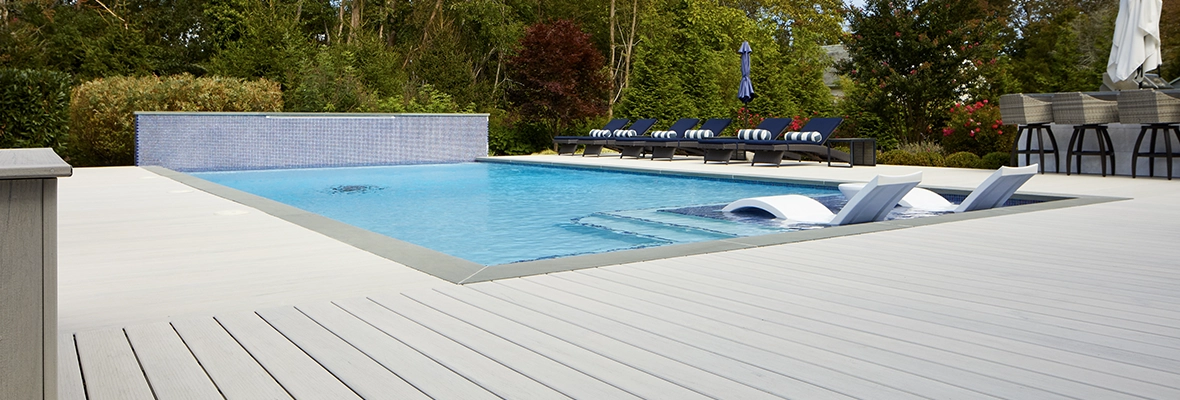
Rebuilding your pool deck will change your outdoor space and increase its utility as well as look. There are plenty of remodelling choices regardless of the damage, age, or simple mismatch of your deck with your style. These are the finest ways to improve your deck from resurfacing to material changes.
Reversing Your Pool Deck
If your pool deck has little fractures or discolouration but is still structurally sound, resurfacing is a reasonably priced approach to update it. Applying a fresh overlay or coating over the current surface helps to restore its appearance. Choices include:
Stamped concrete overlay looks like stone, brick, or tile.
Durable and impervious to pool chemicals, acrylic coatings
Spray texture finish produces a surface that resists slips.
Resurfacing is a fantastic choice if you want a reasonably affordable upgrade without totally replacing your deck.
Decks for Paver Pooling
Given their durability and adaptability, pavers are a common choice for pool deck renovation. Made from brick, concrete, or natural stone, they have a neat and personal appeal. Among the advantages are:
Variations in colours and patterns let one create original designs.
Reducing shifting and cracking by interlocking design
Simple repairs: damaged individual pavers can be replaced.
Pavers are a good investment even if they cost more initially since their long-term endurance is impressive.
Outdoor Stone Decking
A classic and opulent pool deck would benefit much from natural stone. Common choices consist in limestone, flagstone, and travertine. Benefits include:
A beautiful appearance improves the appeal of your outside … Read More
Concrete vs. Brick vs. Stone: Which Driveway Pavers Last Longest?
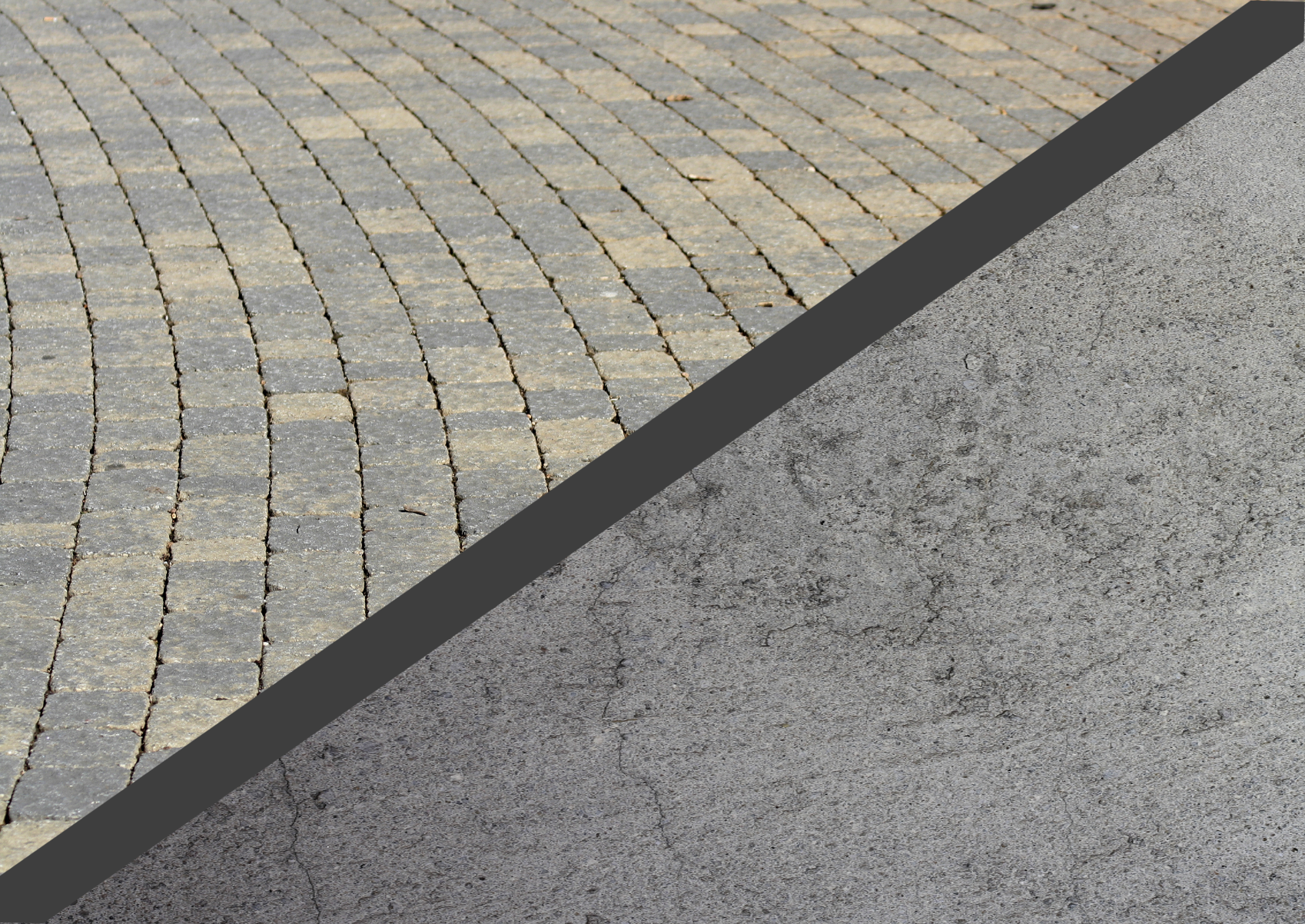
When choosing the right material for your driveway, how long it lasts is very important. You want something that looks good and holds up over time with little upkeep. Concrete, brick, and stone are three popular choices—but which one lasts the longest? Let’s take a closer look.
Concrete Pavers
Concrete pavers are affordable and come in many shapes, sizes, and colors. They are easy to work with and give you a lot of design choices. With proper installation and care, concrete pavers can last 25 to 30 years. However, they may crack or fade over time, especially in areas with heavy traffic or extreme weather.
Brick Pavers
Brick pavers have a classic, timeless look. Made from natural clay, they are strong and resist stains. Brick pavers usually last 30 to 40 years. They may chip at the edges but usually keep their color and are less likely to crack than concrete. They also need less maintenance.
Natural Stone Pavers
Stone pavers—like granite, slate, or bluestone—are the strongest and longest-lasting option. With proper care, they can last 50 years or more. Stone pavers handle heavy loads, bad weather, and everyday wear very well. They cost more at first, but their long life and beautiful look often make them worth it.
Which One Should You Choose?
If you want a low-cost option with many design choices, concrete is a good pick. For a mix of style, strength, and cost, brick might be best. If you want the longest-lasting and most elegant choice, … Read More